

Choosing a Burlington real estate broker is one of those decisions that feels straightforward until you're in the middle of a transaction and realize it isn't.
Most people focus on the obvious things. Someone who knows the Burlington market. Someone who communicates clearly and returns calls. Someone with a track record that speaks for itself. Those things matter, and they should be on your list.
But after nearly 30 years helping Burlington families buy and sell, I've come to believe that what a broker won't do tells you just as much about who they are as what they will. The standards a broker holds — especially when it would be easier not to — are where you find out what kind of representation you're actually getting.
Here are mine. Not rules I follow, but values I've built over a long career. They shape every conversation I have and every piece of advice I give.
I won't tell you what you want to hear just to win your business.
Honesty is the foundation of everything I do. That means if I think a price expectation isn't realistic, I'll say so — clearly, and early. If I think a decision carries more risk than it appears to, you'll hear that from me before you sign anything.
I've learned over the years that the conversations that feel uncomfortable for ten minutes are almost always the ones that matter most. My job isn't to make the process feel good in the short term. It's to make sure you feel good about the outcome long after the transaction is done.
You'll always get my honest read — not because it's easy to say, but because you deserve to hear it before you make one of the biggest financial decisions of your life.
 I won't overprice your home to win the listing.
Pricing is one of the most consequential decisions in any sale, and I take it seriously. My approach has always been to price a home based on what the market will actually do — not what either of us might hope for.
In this market especially, correct pricing from the start creates momentum. It attracts serious buyers. It generates activity at the right time, when interest is highest and your negotiating position is strongest. A home that's priced right gives you options. I've seen firsthand what happens when pricing gets disconnected from reality — the activity slows, the days on market climb, and the position that felt strong at the start gradually weakens.
Getting pricing right from day one is one of the most important things I bring to a listing. It's a conversation I take seriously, and I'll always walk you through my reasoning so you understand exactly where the number comes from.
I won't pretend a house is right for you when it isn't.
Sometimes a property looks perfect on paper and feels completely off the moment you walk in. Wrong layout, wrong street, wrong fit for the way your family actually lives. My job in that moment isn't to talk you into it — it's to say so early, before you've spent weeks convincing yourself it could work.
I've sat with buyers in homes that checked every box on their list and quietly said: I don't think this is the one. Not because anything was obviously wrong, but because I've learned to trust what a home communicates when you're paying attention. That conversation isn't always welcome in the moment. It's almost always appreciated later.
The right home is out there. My job is to help you find it — not to help you settle.
I won't let you chase a house outside your budget.
My job isn't to sell you the dream at any cost. It's to help you make a decision that still feels right after the excitement wears off.
A home that stretches you beyond what makes sense for your situation doesn't stay exciting for long. Part of what I bring to a buyer relationship is perspective — the ability to hold the bigger picture when the emotion of a particular property makes it hard to see clearly. Being genuinely in your corner sometimes means being the person who pumps the brakes. That's not a limitation of working with me. It's the point.
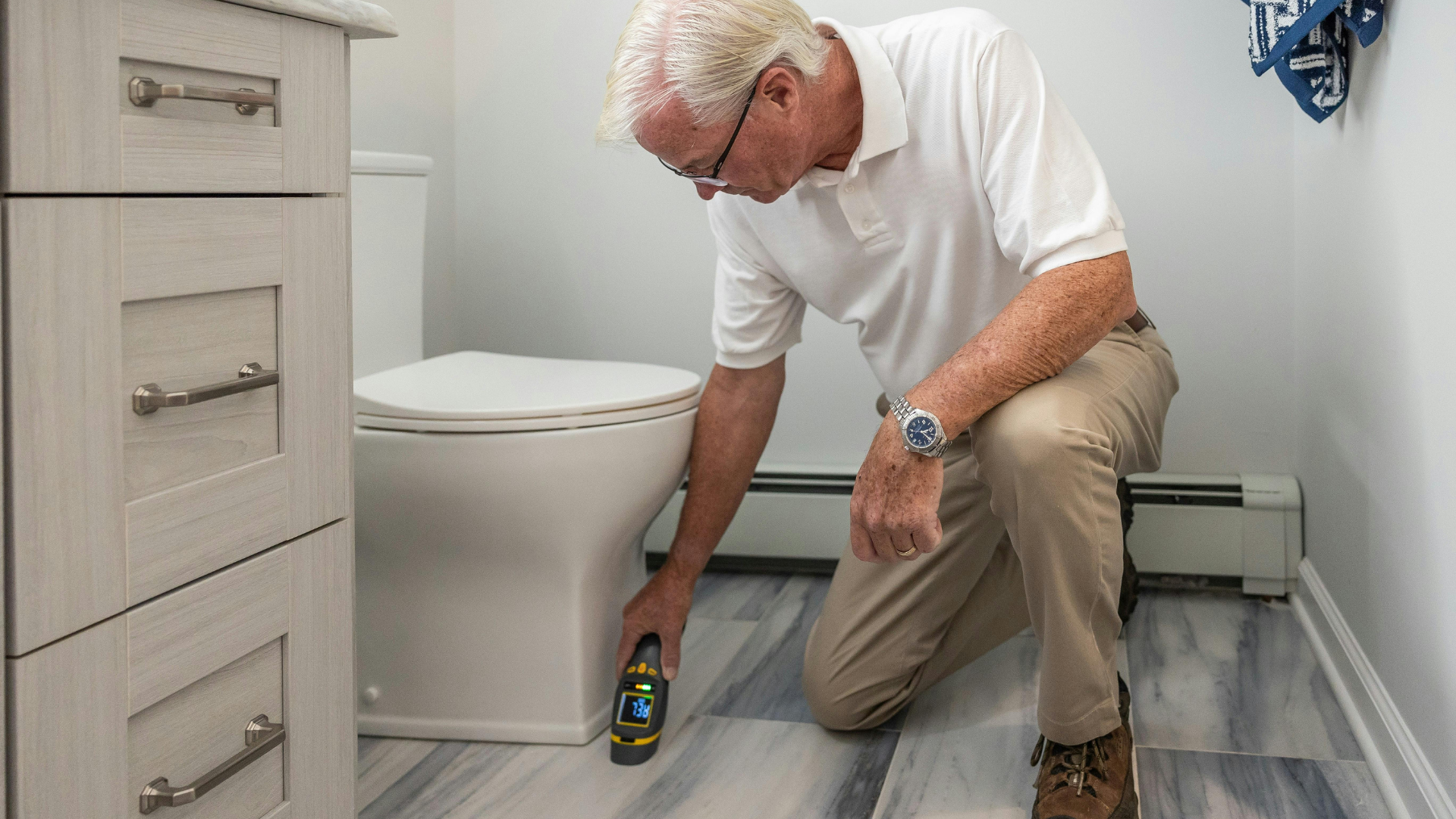 I won't encourage you to skip an inspection.
Due diligence protections exist for good reasons, and I take them seriously. In competitive situations, there can be pressure to move quickly and waive conditions — and sometimes the market genuinely requires difficult tradeoffs. Part of my job is helping you understand what those tradeoffs actually mean for your specific situation.
But I will always make sure you go into any decision with a clear understanding of what you're agreeing to. I'd rather take more time, ask more questions, and lose a deal than have a client discover something significant after the fact that could have been known beforehand. That's a standard I hold in every transaction, regardless of market conditions.
I won't sugarcoat it.
I care too much about your outcome to only share the good news. That doesn't mean I'm blunt for the sake of it — there's a difference between honesty and being unnecessarily harsh. But when something matters, you'll hear it from me directly, with enough context to actually do something about it and enough time to make a thoughtful decision. Some of the most important conversations I've had with clients started with something they didn't want to hear and ended with a decision they were genuinely glad they made.
What to look for in a Burlington real estate broker
If you're in the process of deciding who to work with, here are a few things worth paying attention to — regardless of who you choose.
Watch how they handle a difference of opinion. If you push back on their recommendation and they immediately agree with you, that's worth noting. You want someone who will hold a considered position under pressure, not someone who tells you what you want to hear to keep things comfortable.
Ask them about a transaction that was genuinely difficult. How a broker talks about a hard moment tells you more than how they describe their successes. You're looking for someone who takes those moments seriously, learns from them, and is willing to be honest about what they're like to work with when things get complicated.
Ask what they won't do. It's an unusual question and it tends to produce honest answers. The brokers worth working with will have a clear, considered response.
And notice whether they listen more than they talk. Good advice is specific — to your timeline, your finances, your priorities, and what you're actually trying to accomplish. There's no version of that which works without a real conversation first. If you leave a first meeting feeling like you were heard, that's a good sign. If you leave feeling like you were pitched, pay attention to that too.
A final thought
Burlington's market has shifted many times over the nearly 30 years I've been working in it. I've been through multiple cycles, multiple corrections, and more than a few moments that felt uncertain from the inside and obvious in hindsight.
What hasn't changed is what good representation actually requires. Honesty before it's convenient. A strategy that's built around your outcome, not the transaction. And someone who is genuinely in your corner — not just while the deal is open, but in every conversation that leads up to it and every one that follows.
That's what a Burlington real estate broker should be here to do. And if you're looking for that kind of representation, I'm easy to reach.
Jen Warren — Burlington real estate broker since 1996. l
Check out this article next